Viral Monkey Punch: Echoes of Harlow's Comfort Experiments
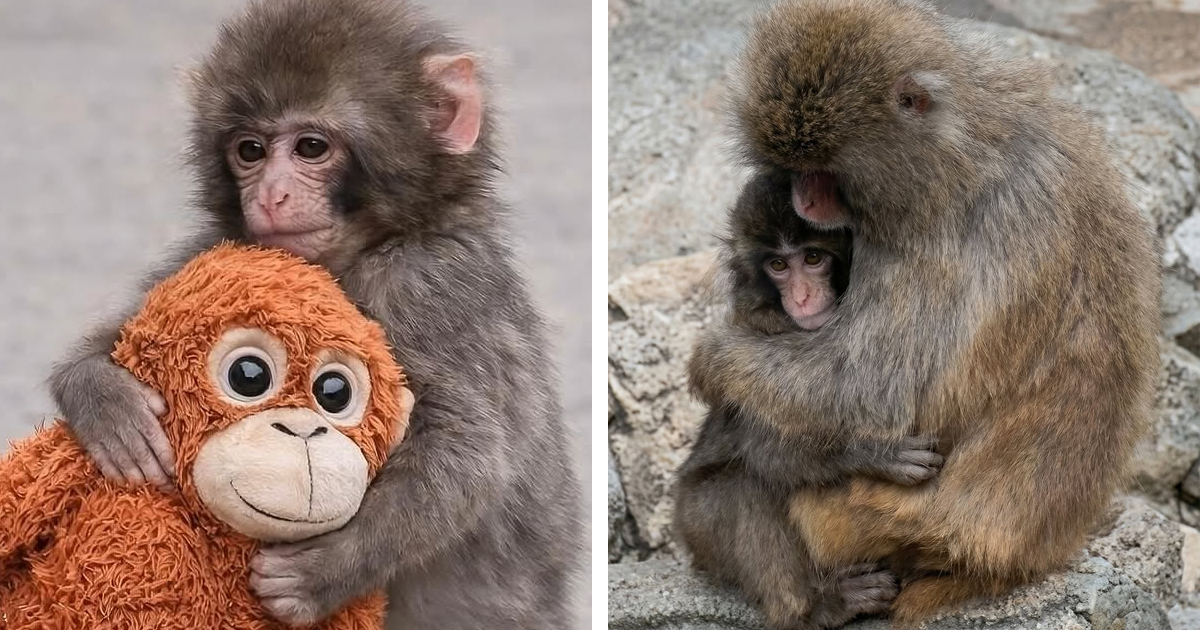
In a world increasingly connected by digital streams, some stories cut through the noise with raw, universal emotion. One such story recently captured hearts globally: that of Punch, a baby macaque monkey from Japan’s Ichikawa City Zoo. Abandoned by his biological mother and subsequently rejected by his troop, Punch found solace in an unexpected caregiver – an orangutan plushie. Videos of Punch clinging to his inanimate, furry companion went viral, sparking conversations about companionship, loneliness, and the profound need for comfort. This captivating viral monkey experiment, unfolding in real-time, isn't just a heartwarming tale; it's a living echo of groundbreaking psychological research conducted over 70 years ago by Dr. Harry Harlow, whose work fundamentally reshaped our understanding of attachment.
The Heart-Wrenching Tale of Punch: A Modern Echo
Punch's predicament is a poignant reminder of vulnerability. Without the warmth and protection of his mother or the social integration of his troop, the young macaque faced a critical developmental void. Zookeepers, understanding the immense stress and potential for failure to thrive, provided him with a plush orangutan toy. What followed was an instinctive, desperate embrace. Punch’s viral videos depict him clutching the soft toy with an intensity that speaks volumes, mirroring the innate drive for closeness and security. This isn't mere play; it's a testament to an animal's deep-seated need for physical contact and emotional reassurance, even if from an artificial source. His story resonates deeply because it taps into a fundamental aspect of all primate existence, including our own: the crucial importance of a secure, comforting presence during formative stages.
Unpacking Harlow's Groundbreaking "Comfort" Experiments
The intense bond Punch formed with his plushie brings to mind the controversial yet profoundly influential studies conducted by American psychologist Harry Harlow in the 1950s and 60s. At the time, the dominant "behaviourist" view posited that infants formed attachments primarily based on who provided their basic biological needs, like food and shelter. A baby, according to this theory, would bond with the mother simply because she was the source of nourishment.
Harlow, however, suspected there was more to attachment than mere sustenance. He challenged this prevailing wisdom with a series of ingenious, albeit ethically debated, experiments involving rhesus monkeys separated from their mothers at birth. These infant monkeys were placed in enclosures with access to two types of surrogate "mothers":
- The Wire Mother: This surrogate was constructed from wire mesh, shaped like a monkey, and equipped with a feeding bottle to provide milk. It offered sustenance but no comfort.
- The Cloth Mother: This surrogate was also monkey-shaped but covered in soft terry cloth. It offered warmth, softness, and a surface to cling to, but it did not provide food.
The core question was stark: which mother would the infant monkeys prefer? A behaviourist would predict they'd spend most of their time with the wire mother, as she provided the essential nourishment. Yet, Harlow's findings dramatically contradicted this expectation. The infant monkeys overwhelmingly preferred the cloth mother, spending significantly more time clinging to her, even when the wire mother was the sole source of food. They would only briefly visit the wire mother to feed before immediately returning to the comforting embrace of the cloth surrogate.
Harlow's experiments demonstrated that contact comfort – the physical touch, softness, and warmth – was a far more powerful determinant of attachment than food. This discovery redefined attachment theory, suggesting that emotional and physical security, not just physical nourishment, forms the bedrock of early bonds.
Beyond Milk: The Paradigm Shift in Attachment Theory
Harlow's findings were nothing short of revolutionary. They completely overturned the behaviourist paradigm, which had largely ignored the emotional landscape of primate and human development. His work established that emotional nourishment, care, kindness, and attentiveness are paramount for healthy attachment. Without these, even well-fed infants struggled. Monkeys raised solely by wire mothers exhibited severe behavioural deficits, including social anxiety, aggression, and an inability to form normal peer relationships later in life, underscoring the critical role of early emotional bonding.
This groundbreaking research laid the foundation for what is now known as Attachment Theory, primarily developed by John Bowlby and Mary Ainsworth. Attachment theory posits that healthy child development hinges on a child forming a "secure attachment" to a primary caregiver. This secure base is created when a caregiver consistently provides emotional responsiveness, comfort, and a safe haven. Conversely, inconsistent or neglectful care can lead to "insecure attachment," with long-lasting impacts on an individual's emotional regulation, social skills, and overall well-being. The powerful demonstration from Harlow's studies provided the empirical evidence that challenged prevailing attachment beliefs and highlighted the innate biological need for touch and comfort.
Modern Interpretations and Practical Takeaways from the Viral Monkey Experiment
Punch's viral journey serves as a powerful, contemporary illustration of Harlow's enduring insights. His desperate need for the plushie underscores the timeless truth that emotional connection and comfort are not luxuries but fundamental necessities for survival and healthy development. It highlights the innate, universal drive for security and belonging.
For us, as humans, the implications are profound and offer practical takeaways for parenting and caregiving:
- Prioritize Physical Touch: Just like Punch needed his plushie and Harlow's monkeys needed their cloth mothers, human infants thrive on physical closeness. Cuddling, skin-to-skin contact, holding, and gentle caresses help build secure attachments, lower stress, and promote healthy brain development.
- Be Emotionally Responsive: Attachment is built on responsiveness. When a child cries, reaches out, or expresses a need, responding with empathy and comfort validates their feelings and teaches them that their world is a safe place.
- Create a Secure Base: A caregiver acts as a secure base from which a child can explore the world, knowing they can always return for comfort and reassurance. This fosters independence and resilience.
- Consistency and Predictability: While not directly from Harlow's experiments, consistent caregiving helps children develop trust and a sense of security, reinforcing the bond formed through comfort.
- Embrace Comfort Objects: Many children find solace in blankets or stuffed animals, much like Punch. These "transitional objects" can provide comfort and security, especially during times of stress or separation from caregivers.
The viral sensation of Punch reminds us that the quest for comfort and attachment transcends species. It's a fundamental biological imperative that shapes behavior, development, and well-being. Understanding this profound need allows us to create more nurturing environments for all.
The viral monkey experiment, in the form of baby Punch and his plushie, offers a compelling modern narrative that perfectly illustrates the scientific revelations of Harry Harlow. It underscores the undeniable truth: that for both monkeys and humans, the soft embrace of comfort and the warmth of emotional connection are not merely desirable, but absolutely essential for a thriving existence. Punch's story is a beautiful, albeit poignant, reaffirmation that love, care, and kindness are the true foundations of attachment, profoundly shaping who we become.